Our method
Are you learning an instrument, or learning music?
"So you want your child to learn to play the piano — not to learn music?" The answer decides whether they quit.
Published 12 March 2018 · 1 min read · KARON Education
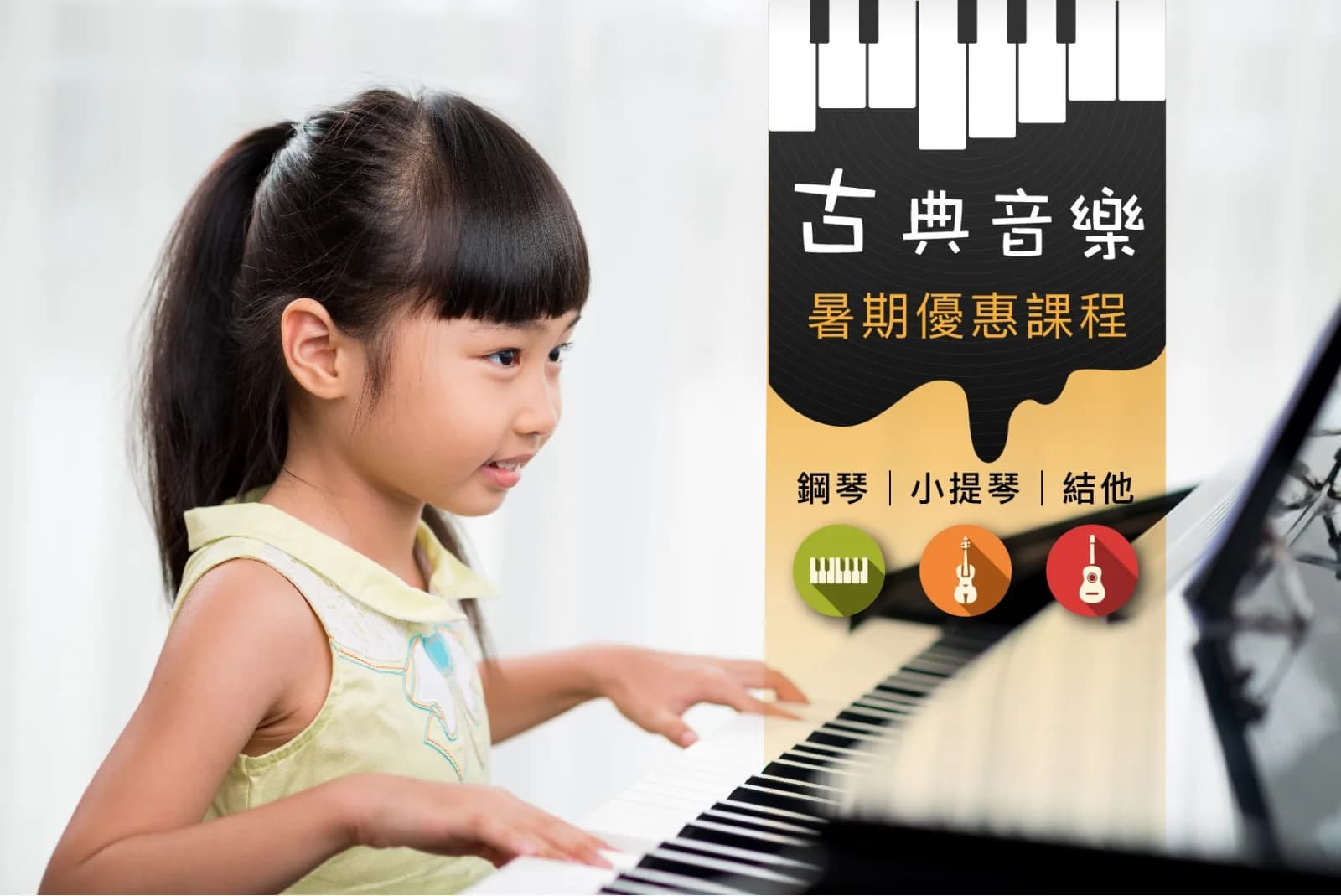
In one sentence: Learning an *instrument* trains fingers to hit the right notes; learning *music* builds listening, rhythm, expression and lasting motivation. KARON's courses use the second to drive the first — which is why students stay, and perform.
What happens when you only learn the instrument
- Pass Grade 8, close the lid, never play again
- Play the notes on the page but can't hear whether it sounds good
- Practice = repetition = pain = quitting
What a music lesson looks like
A 60-minute KARON piano lesson usually has four parts: listen, move (clap, sing), play, explore (improvise, arrange a favourite pop song). Technique is still drilled — ABRSM scales don't disappear — but the child knows why.
How parents can help
- Ask "what did you play today?" more than "how long did you practise?"
- Let your child pick a song; the teacher turns it into material
- Come to a student concert every term
Book a trial lesson and see for yourself.